

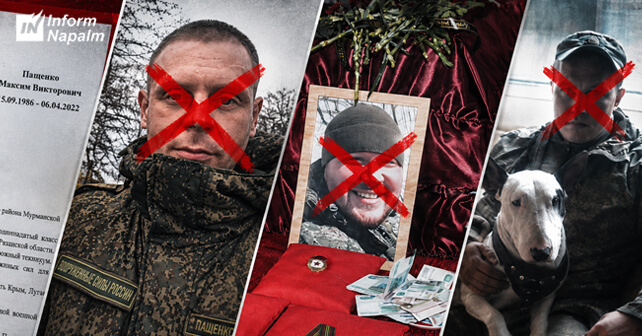
While monitoring the social media pages of Russian military personnel, OSINT researcher and co-founder of the InformNapalm volunteer intelligence community Irakli Komaxidze noticed a telling trend. Some of the Russian servicemen whose involvement in aggression against Ukraine was documented by InformNapalm as far back as 2014–2021 later returned to the battlefield during Russia’s full-scale invasion.
Now, some of them are appearing in OSINT records once again — this time in Russian obituaries.
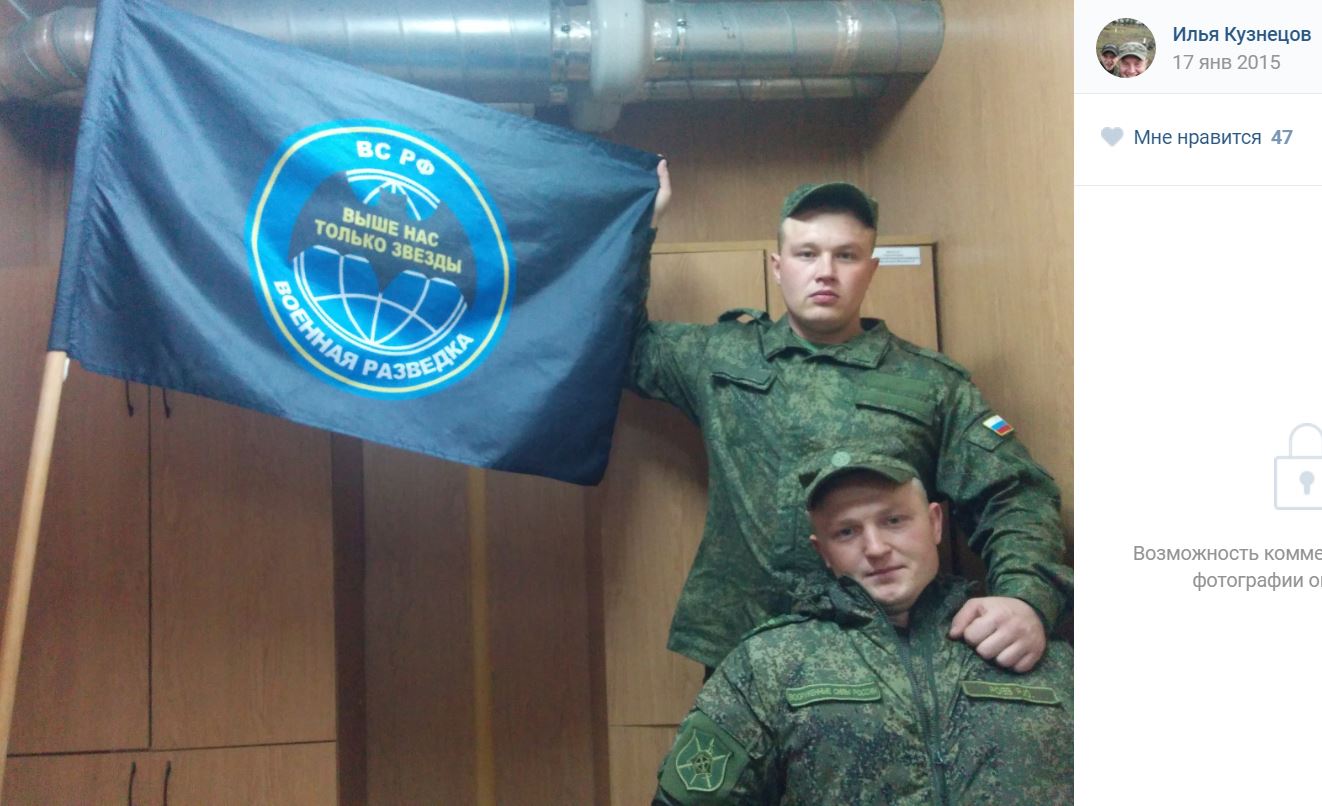
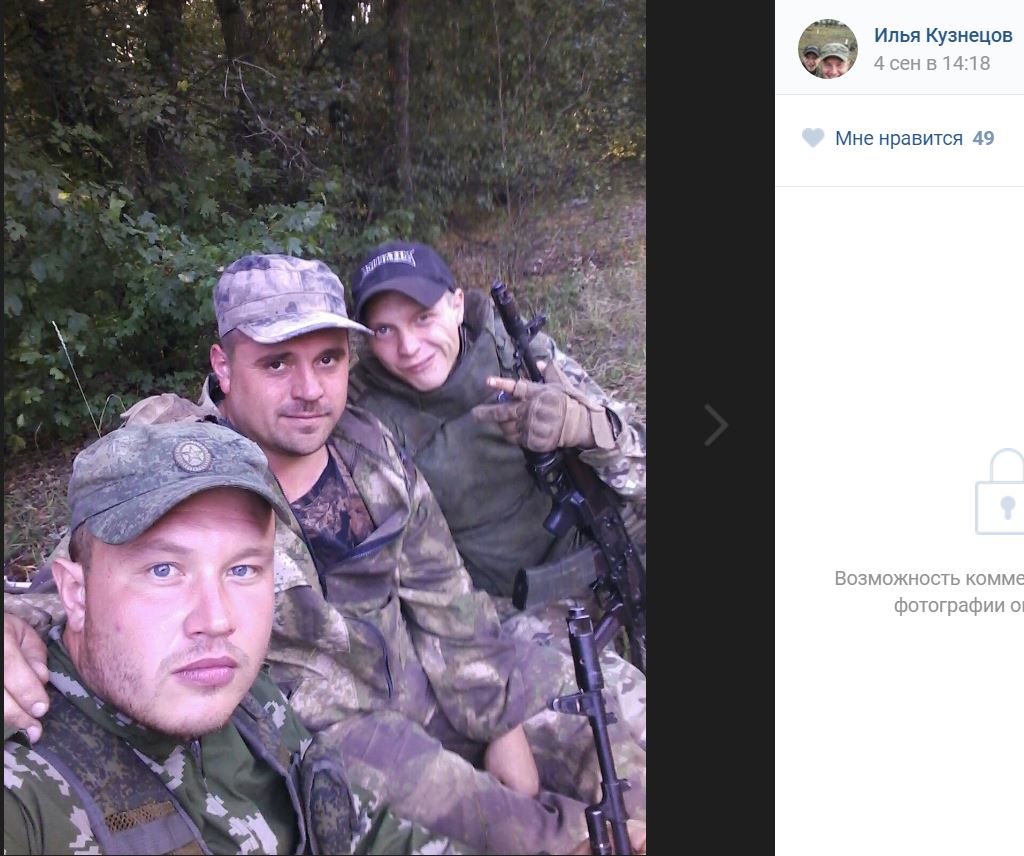
One such case is Sergei Finogin.
Back in 2016, InformNapalm established that Finogin, a serviceman of Russia’s 7th Military Base in occupied Abkhazia combined his contract service with a long-term deployment to the Donbas. There, he was identified as an instructor with the so-called “DPR people’s militia” in Horlivka.
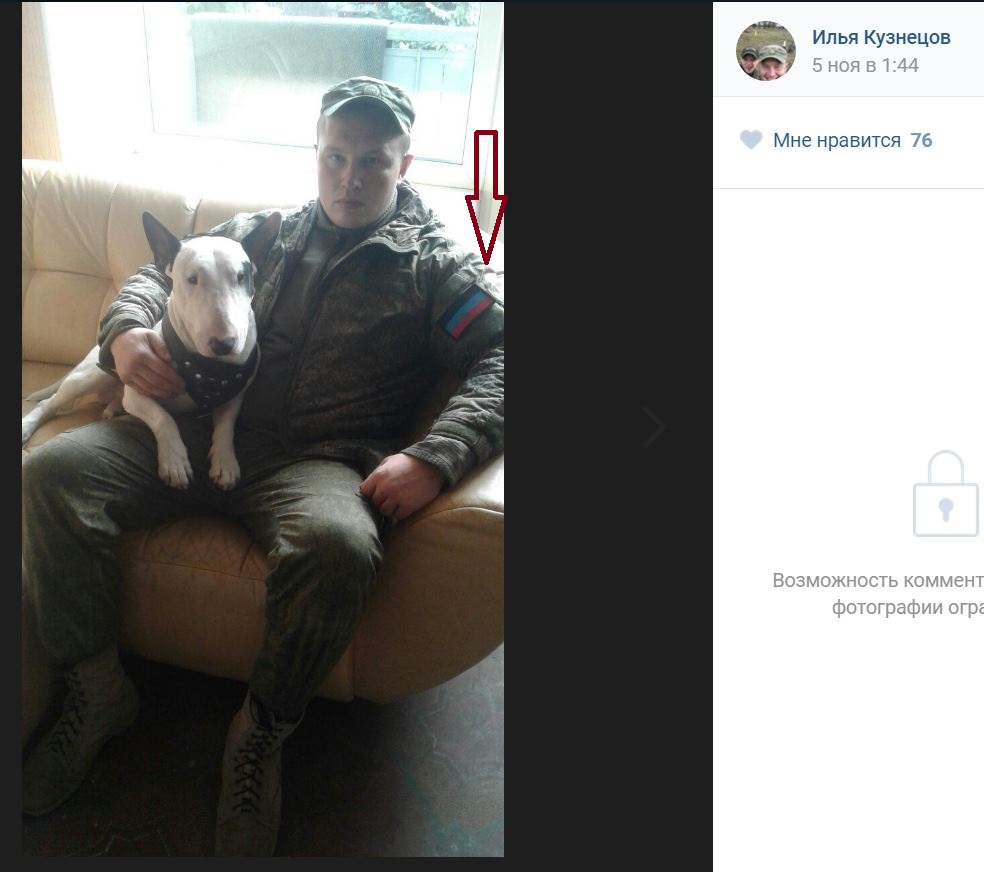
In 2025, Russian sources reported that he had been killed in action in the war against Ukraine.
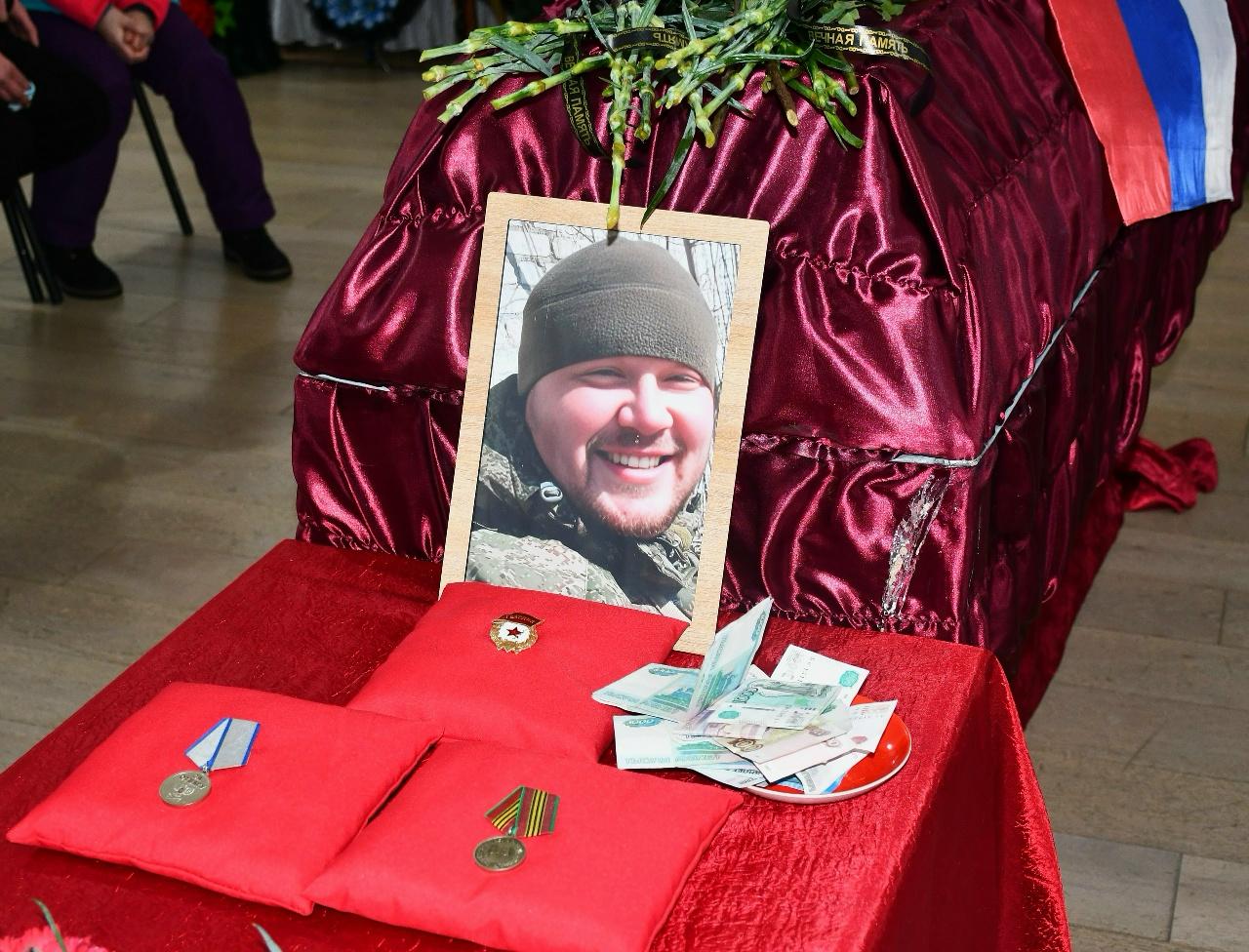
Another example is Maksim Pashchenko.
In March 2019, InformNapalm identified him as a former instructor in the reconnaissance battalion of the same 7th Russian Military Base, a participant in the 2014 invasion of Crimea, and later one of the Russian servicemen whom Moscow disguised in Donbas as local “miners” and “militiamen”.
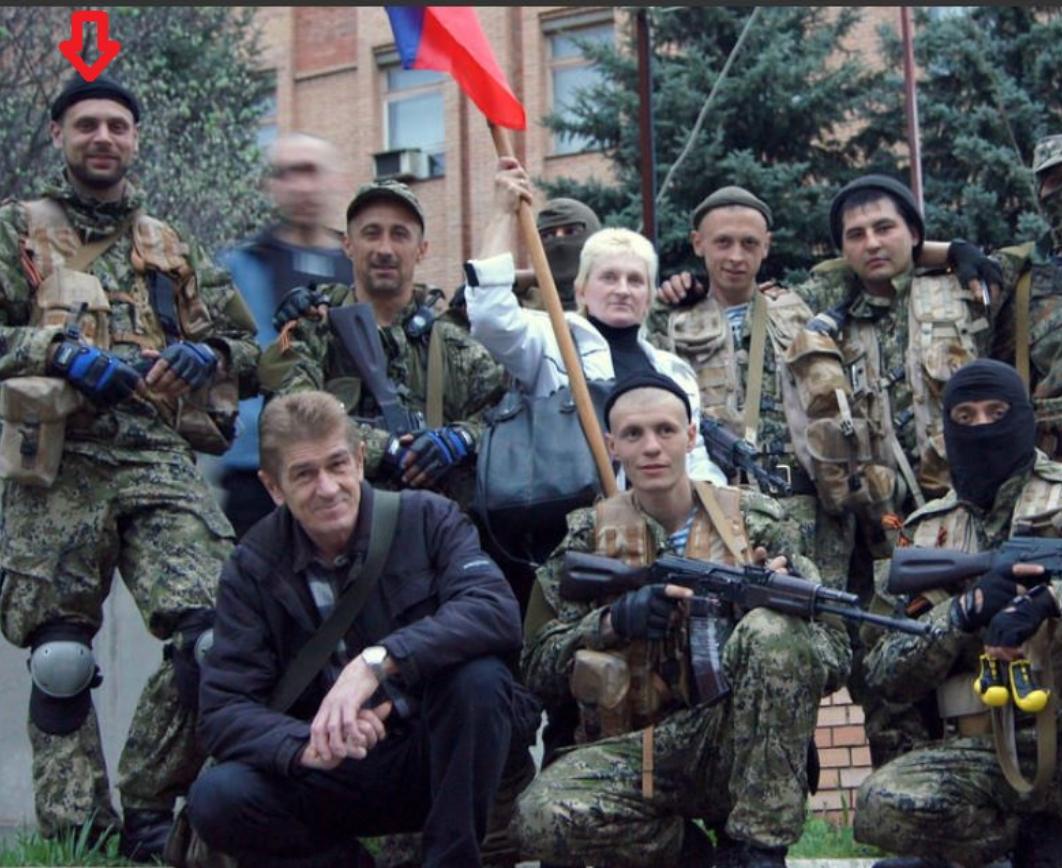
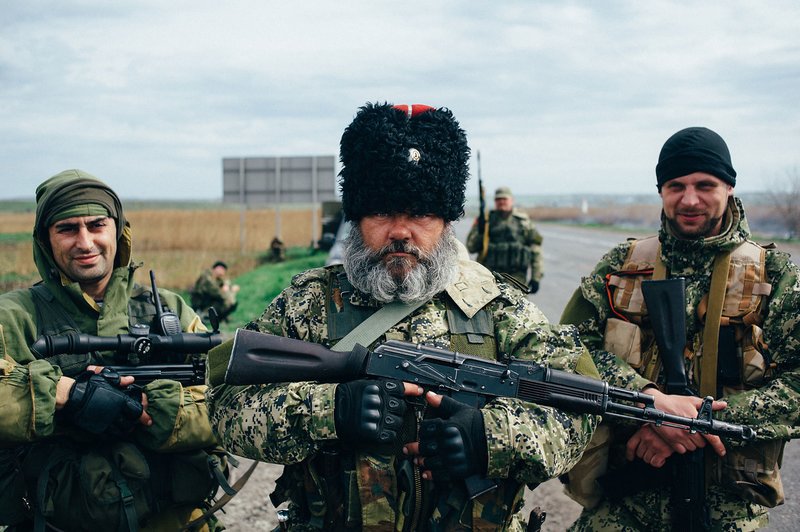
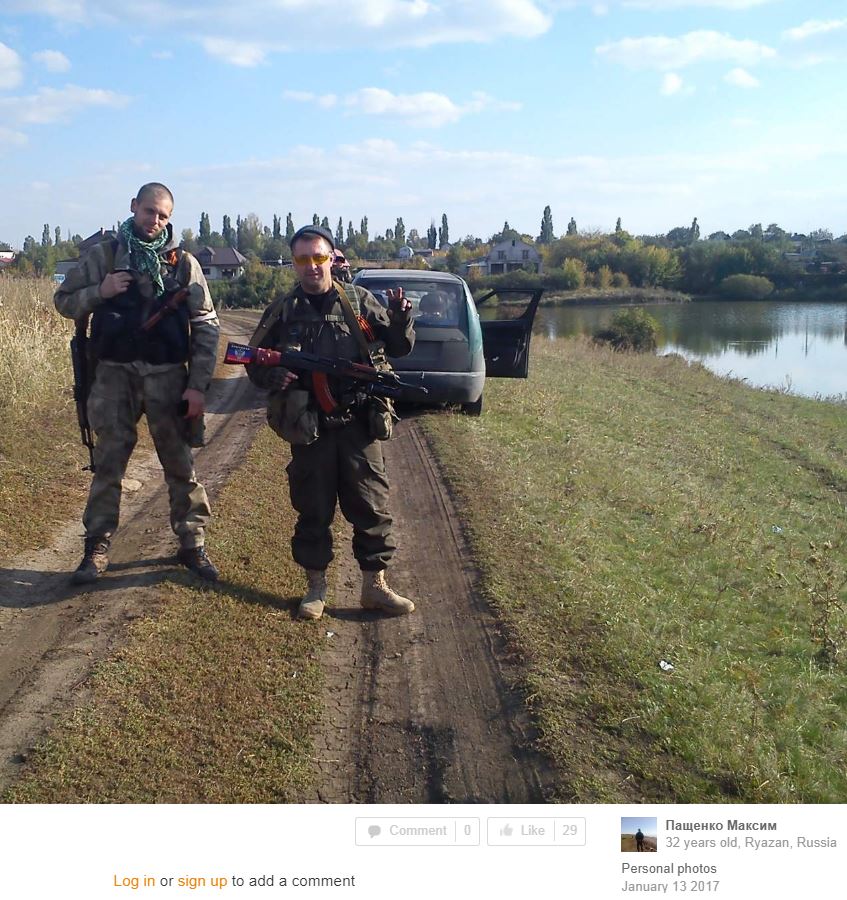
His obituary appeared in Russian sources in October 2023. It stated that he had died during the so-called “Special Military Operation” shortly after it began, on 6 April 2022.
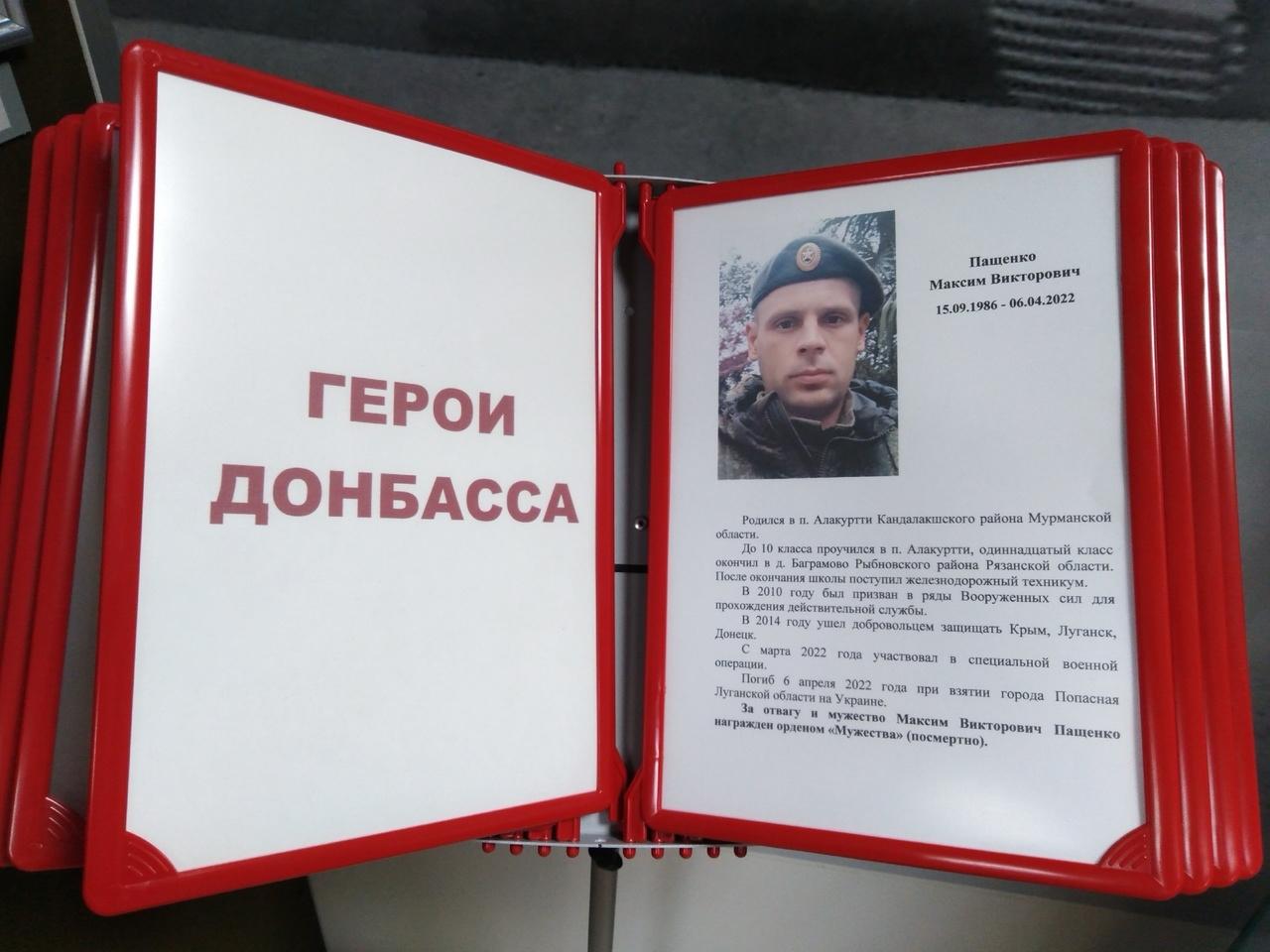
At one point, Russian propaganda would have portrayed a man like Pashchenko as yet another “not-there” soldier. A few years later, his name appeared officially among the Russian army’s casualties in Ukraine.
Conclusion
These cases clearly demonstrate why the long-term, systematic documentation of Russian aggression matters.
What may have looked like an individual serviceman’s digital footprint in 2014–2019 — a photograph, geolocation data, military unit number, deployment, or social media profile — can become part of a much larger picture over time.
The full-scale invasion of 2022 did not begin Russia’s military aggression against Ukraine; it escalated the war Russia had already been waging since 2014. And in many cases, the people involved remained the same. Only now it has become much more difficult for them to survive.
OSINT archives allow us to trace this trajectory years later: from the “they’re-not-there” soldiers of Crimea and Donbas to career Russian servicemen fighting in the now-open Russian-Ukrainian war.
This is why old InformNapalm investigations do not become “outdated”. On the contrary, with time, they can acquire new confirmations, reveal new connections, and gain additional evidentiary value. The digital history of Russian aggression has a long memory. At the same time, the information space has no statute of limitations when it comes to war crimes and participation in a war of aggression.
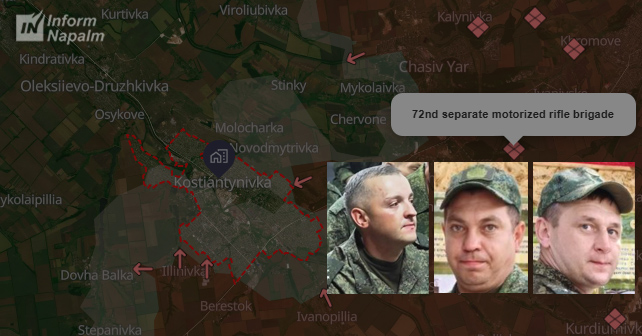
Read more: OSINT identification of Russia’s 72nd Motorized Rifle Brigade servicemen on Kostiantynivka front.
 By Irakli Komakhidze and Andriy Lysytsyn specially for InformNapalm readership. Distribution and reprint with reference to the source is welcome! (Creative Commons — Attribution 4.0 International — CC BY 4.0). Subscribe to InformNapalm social media pages.
 InformNapalm does not receive any financial support from any country’s government or large donors. Only community volunteers and our readers help us to maintain the site. You can also become one of the community volunteers or support InformNapalm with your donations.


No Responses to “Long memory of OSINT: figures from old InformNapalm investigations reappear in Russian obituaries”